加賀指ぬき
Kaga yubinuki
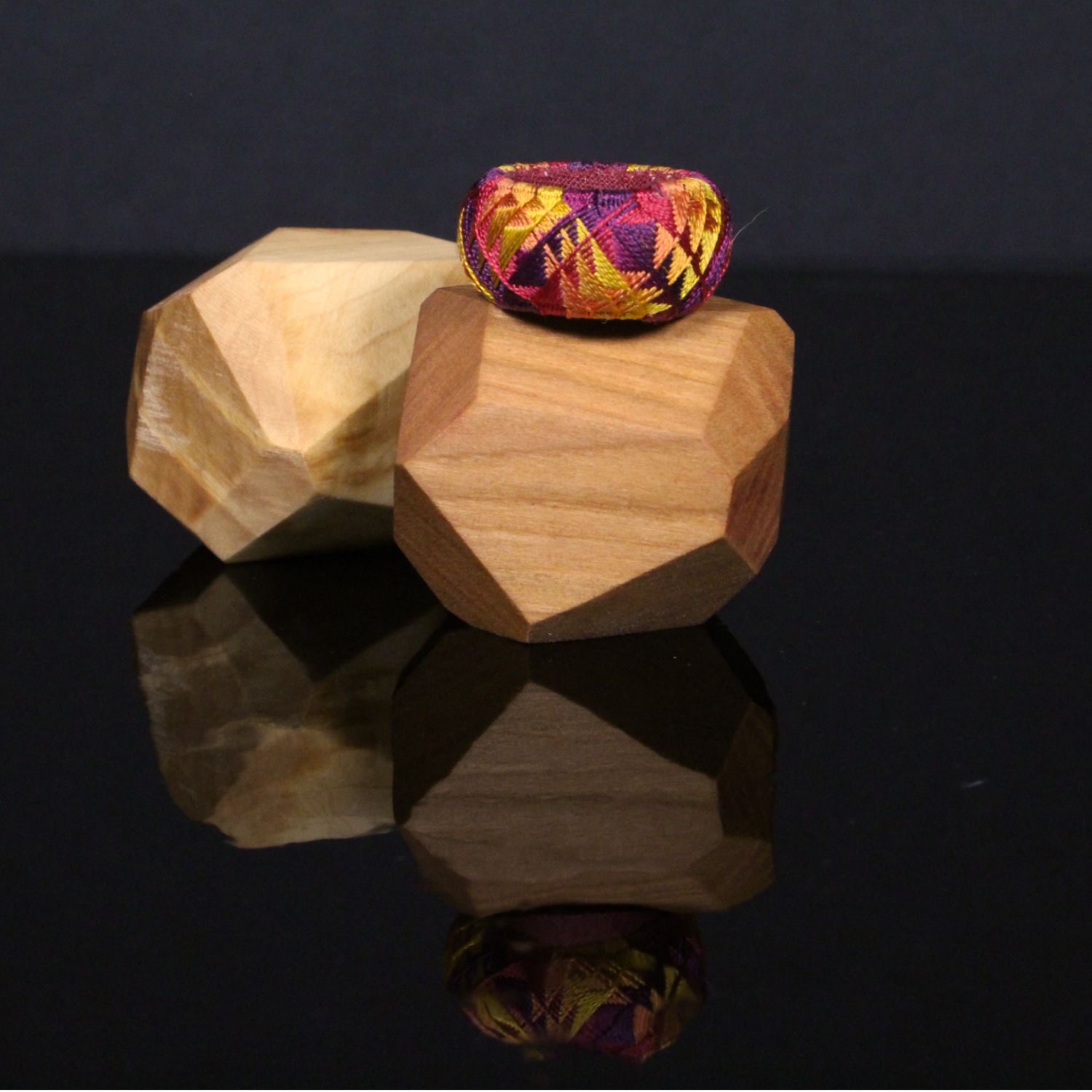
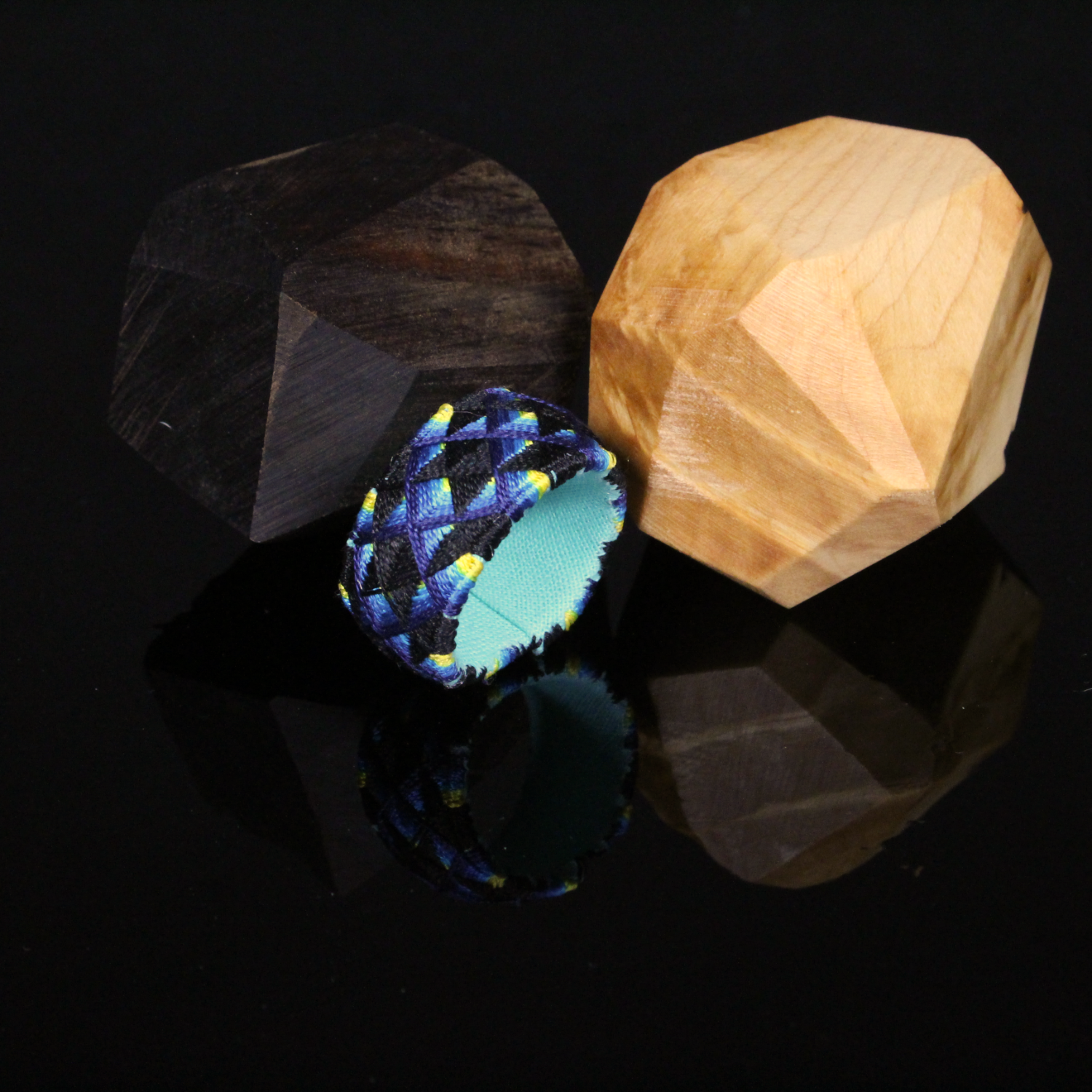
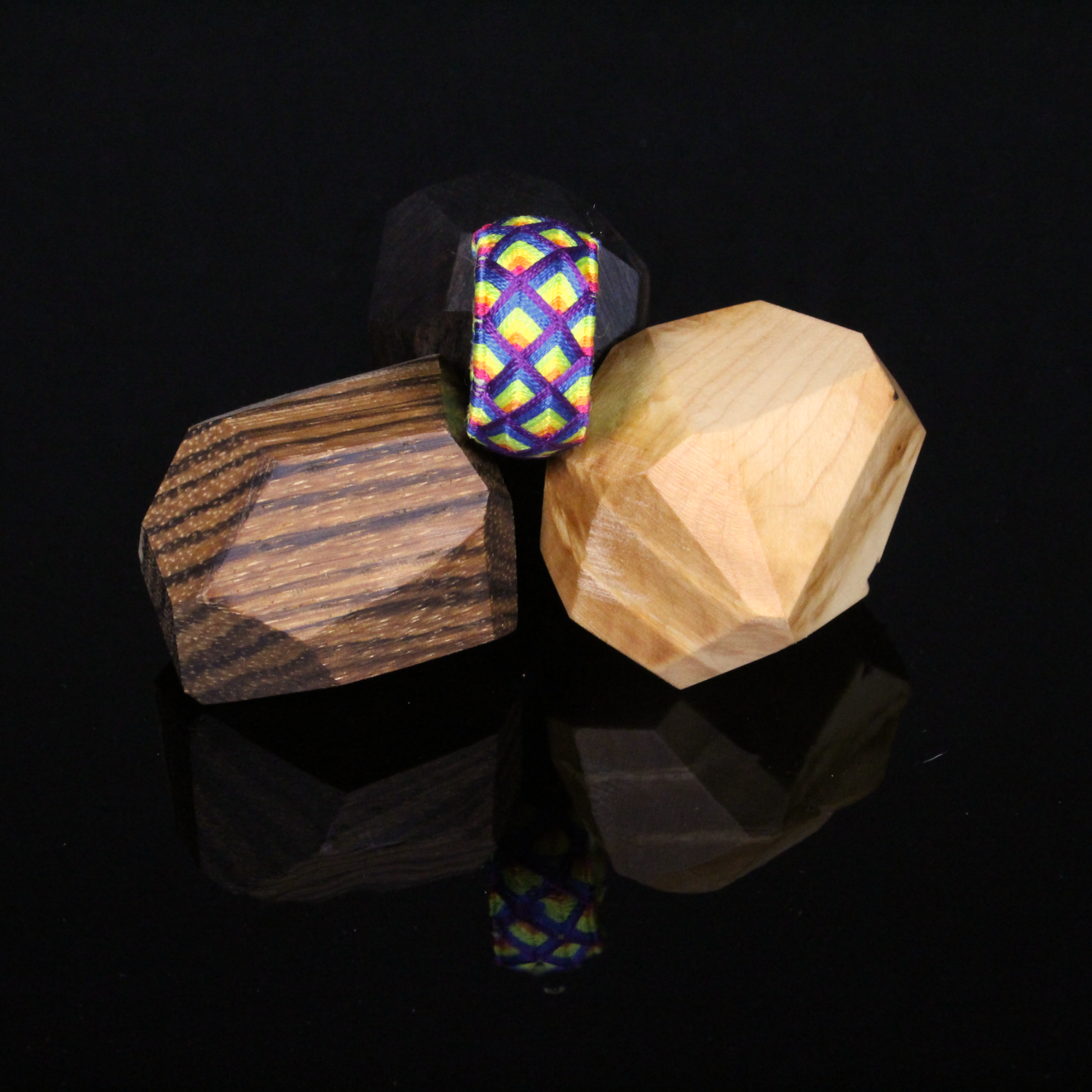
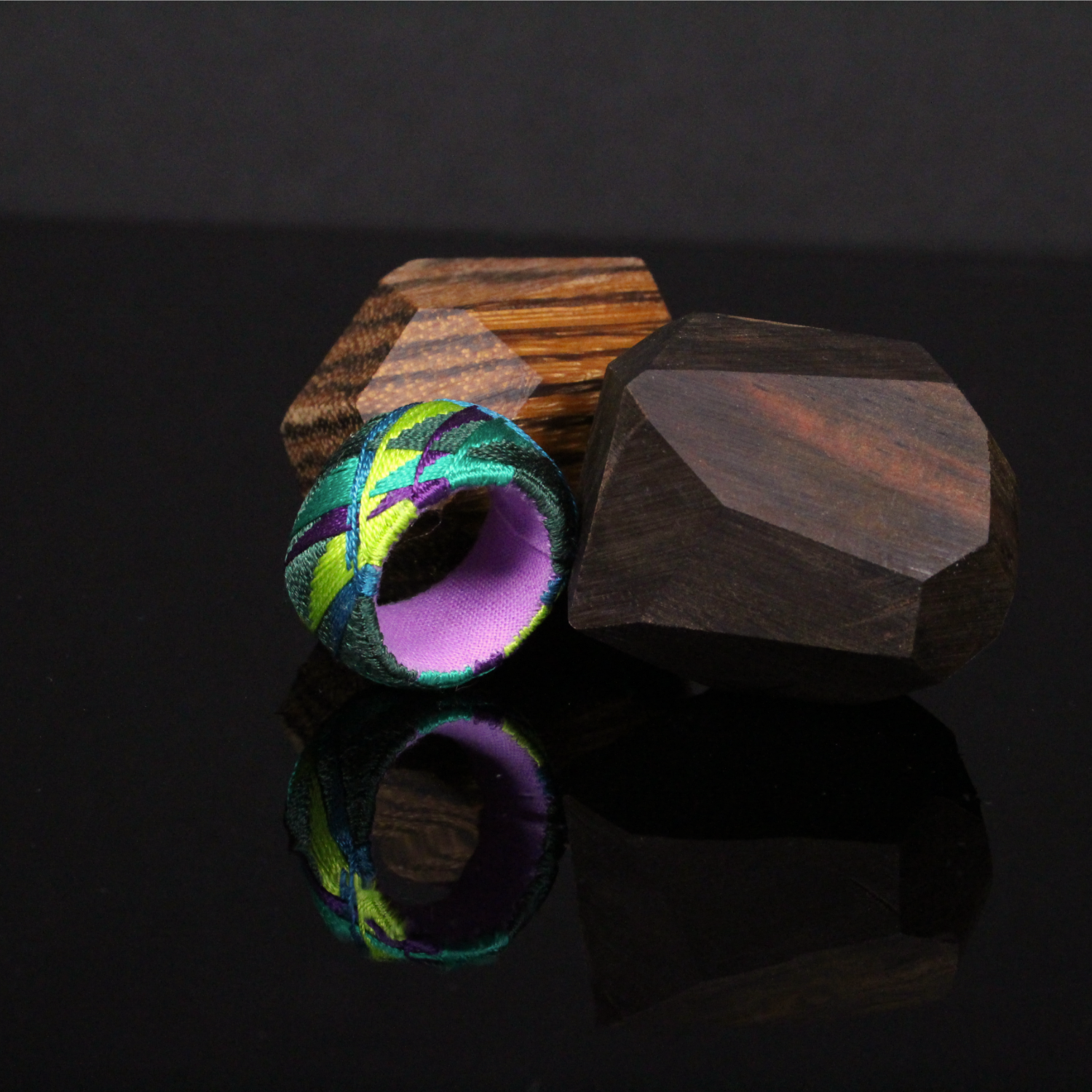
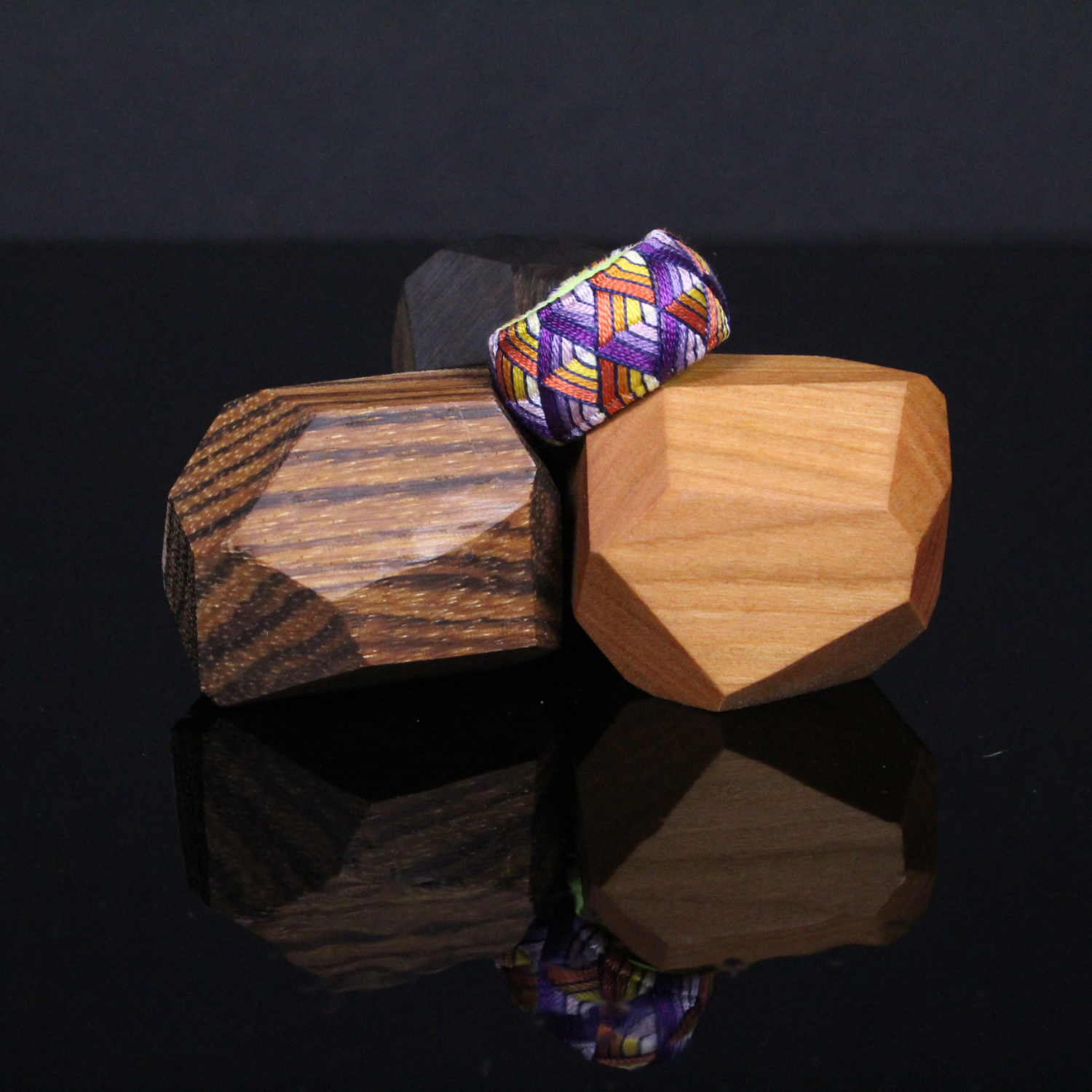
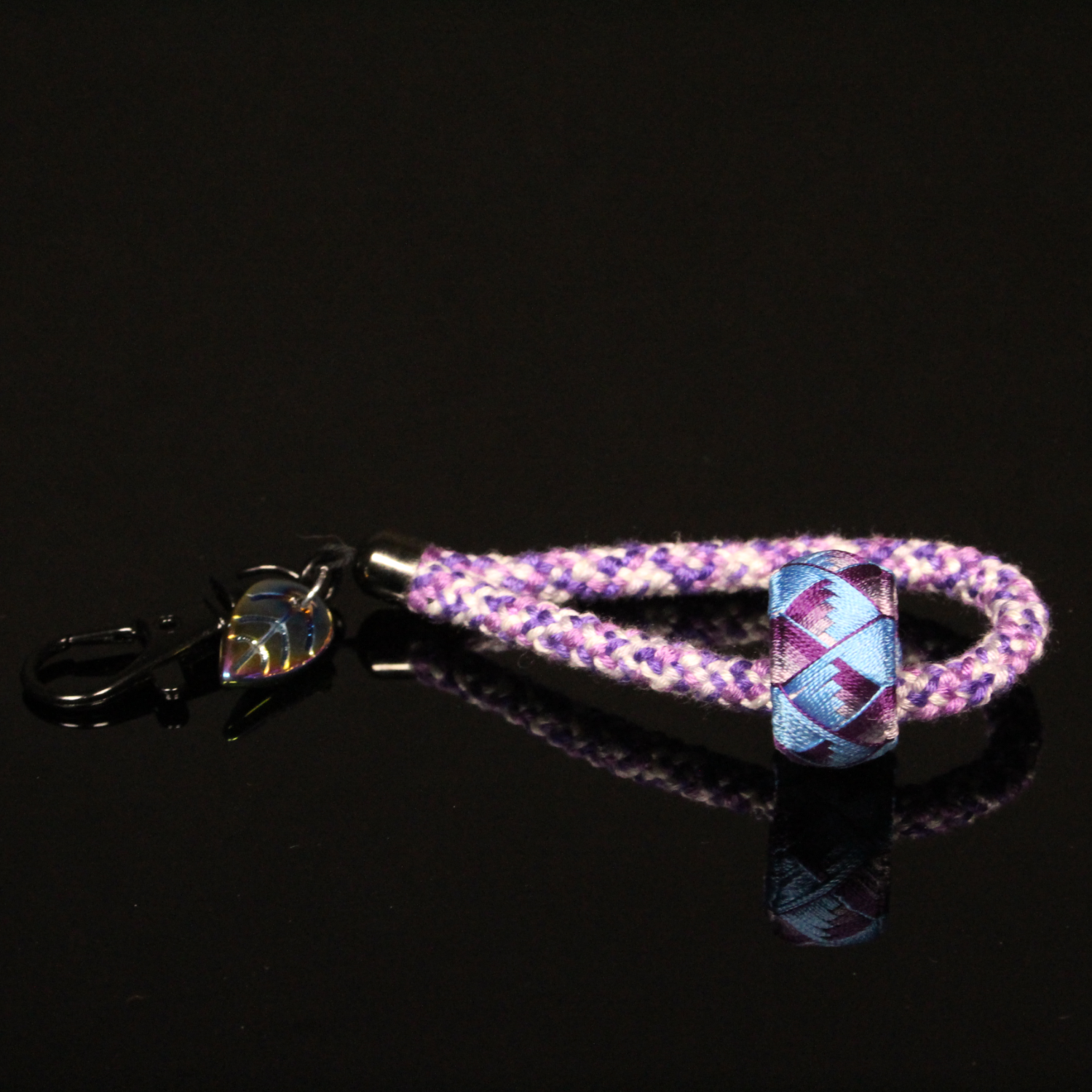
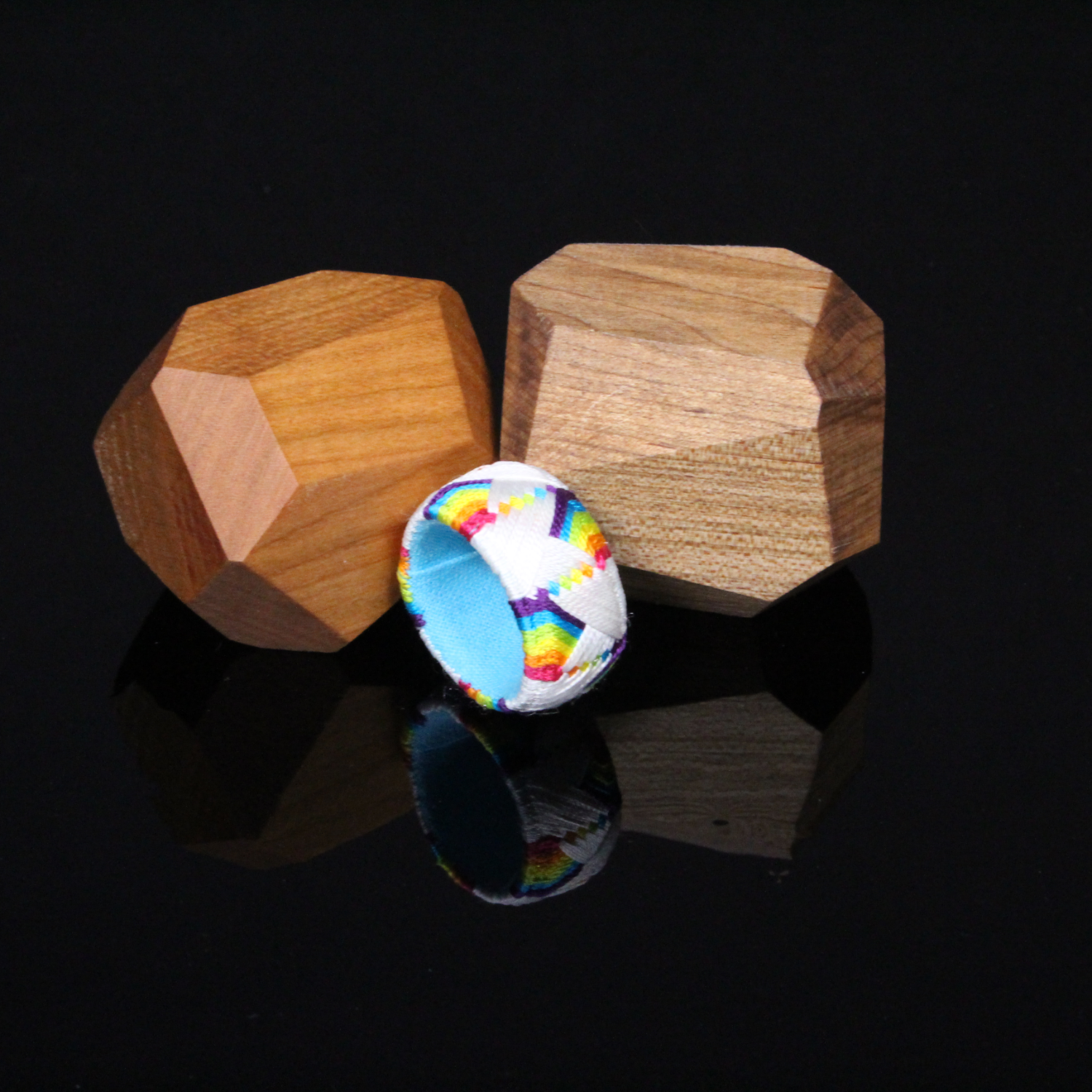
Kaga yubinuki (Kaga thimbles) hail from the Kaga region of Japan, modern day Ishikawa prefecture. They were originally crafted by seamstresses from the silk threads and fabric scraps leftover from sewing kimono. Silk threads are wrapped around a ring base made of paper, bias tape, and silk batting to create hundreds of different patterns. The result is both beautiful and utilitarian, and though they can still be used for their original purpose as working thimbles, most contemporary yubinuki are repurposed as jewelry and accessories. Though not well-known even in Japan, the craft has been kept alive thanks to contemporary artists like Onishi Yukiko and Terajima Ayako who have worked to bring it to the attention of a broader audience.









こぎん刺し
Kogin
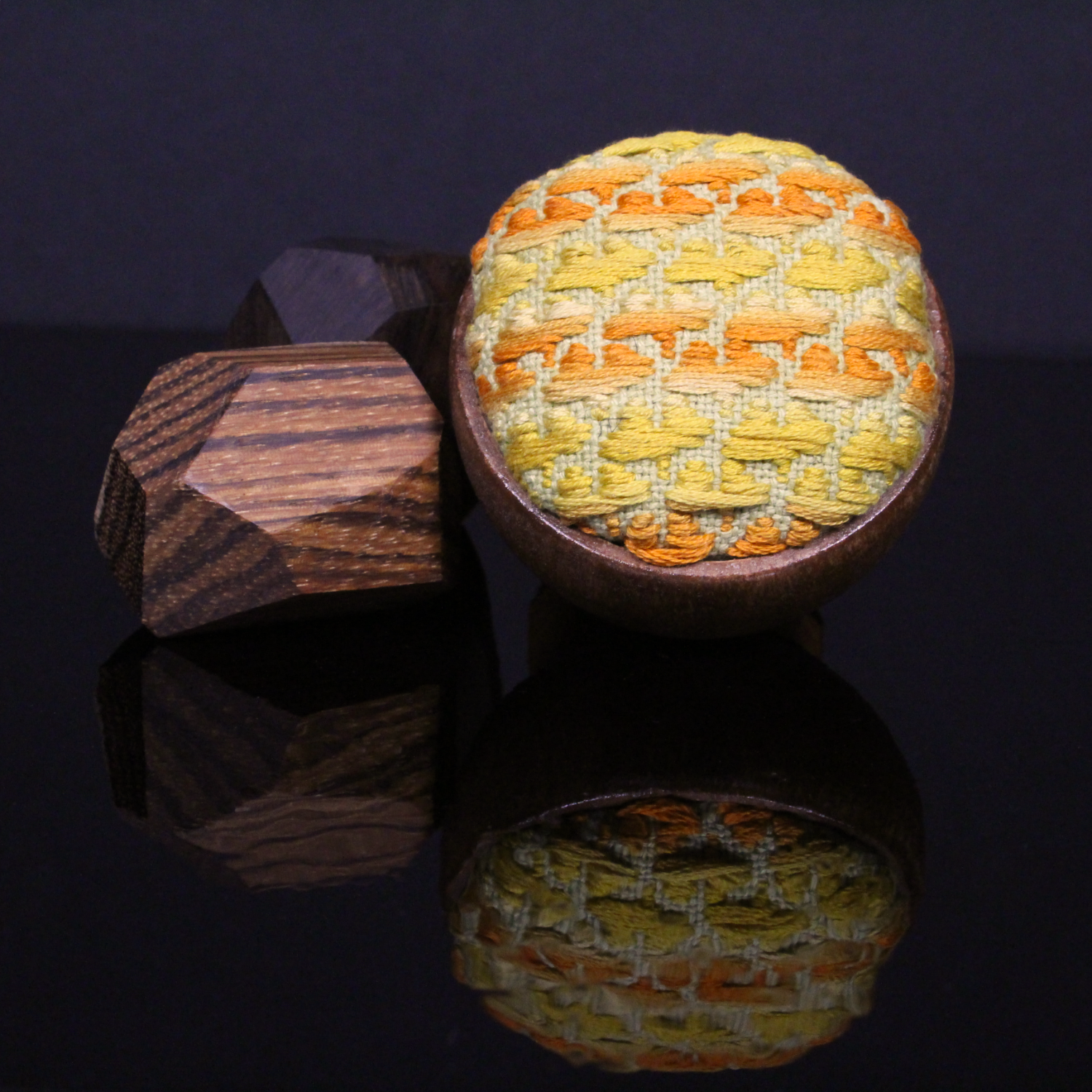
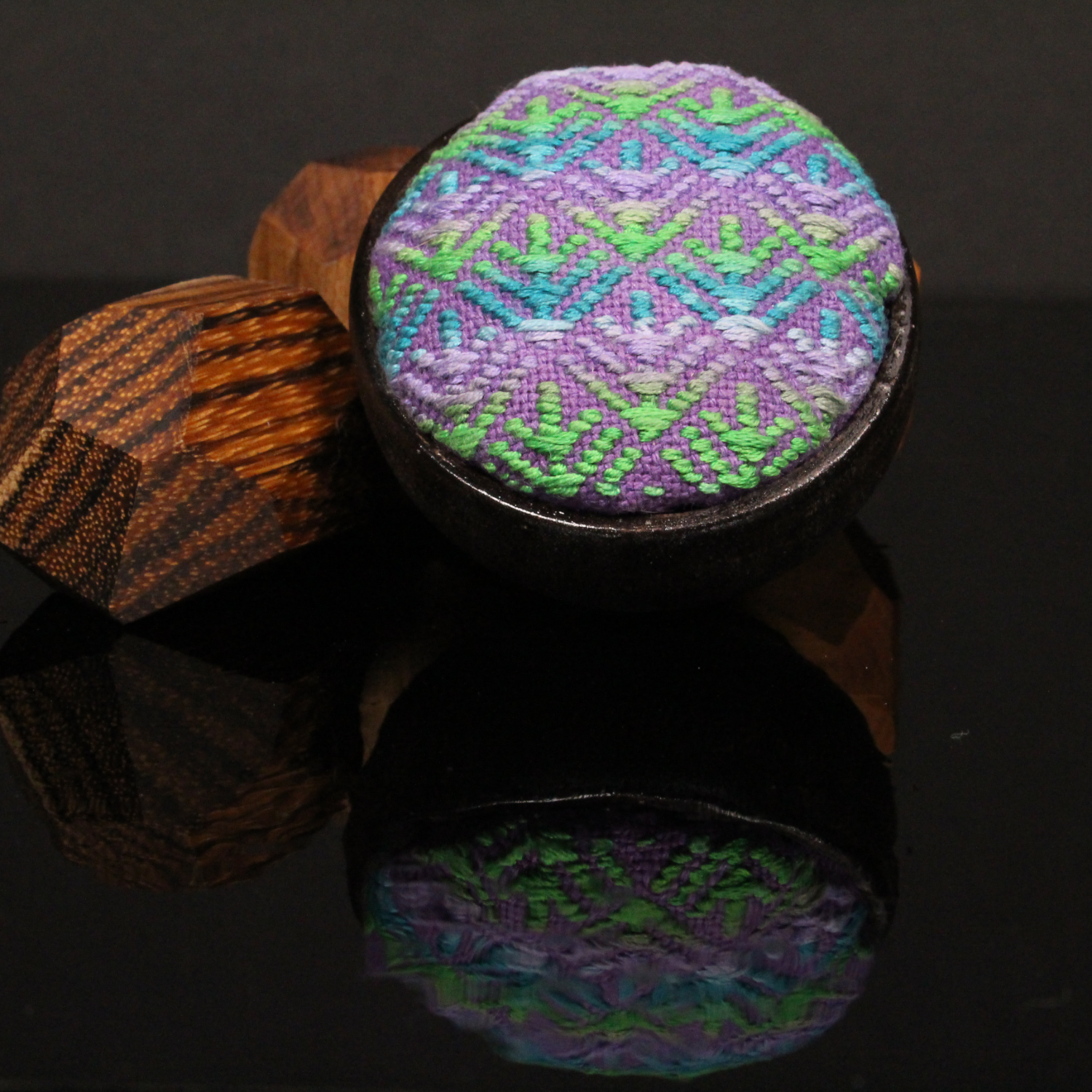
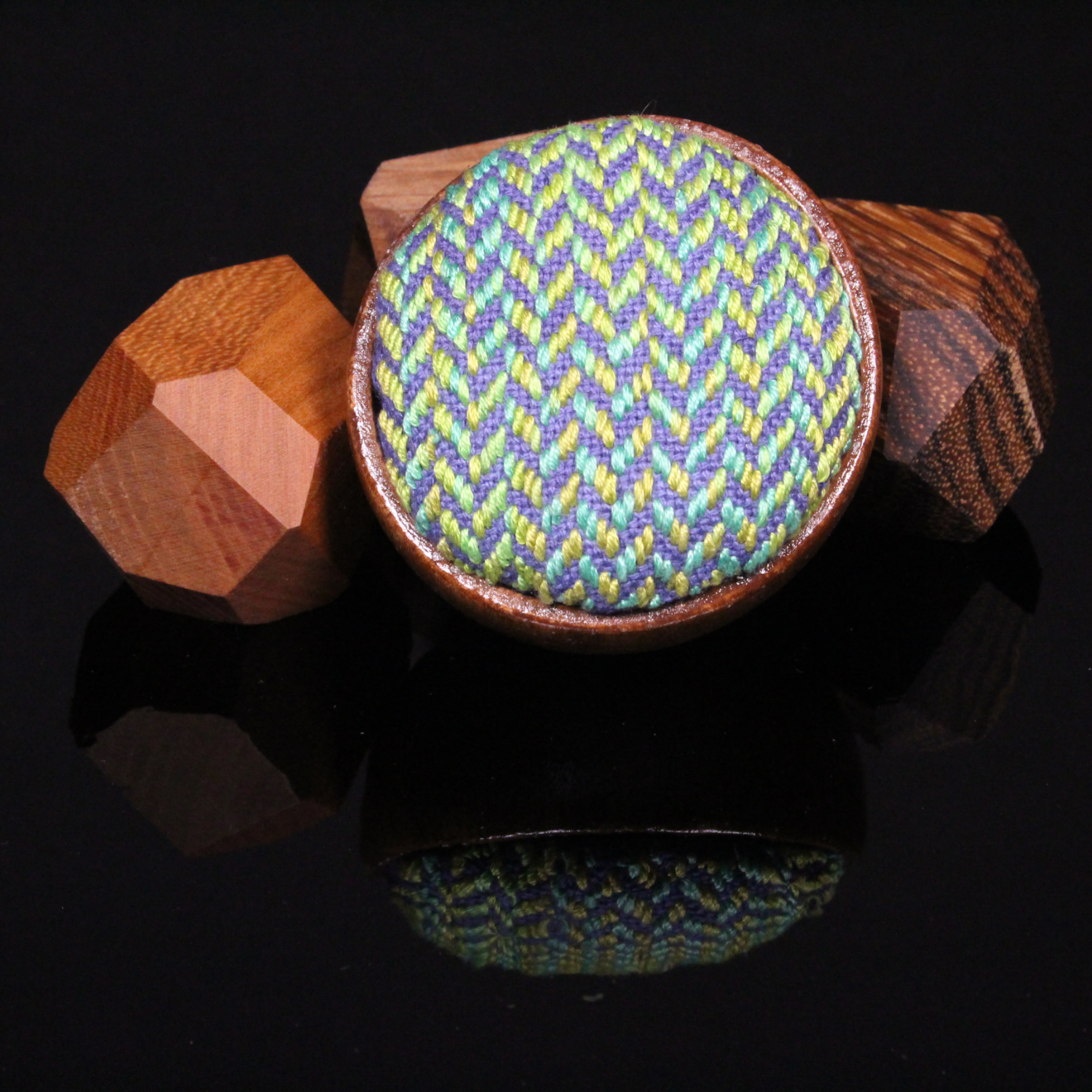
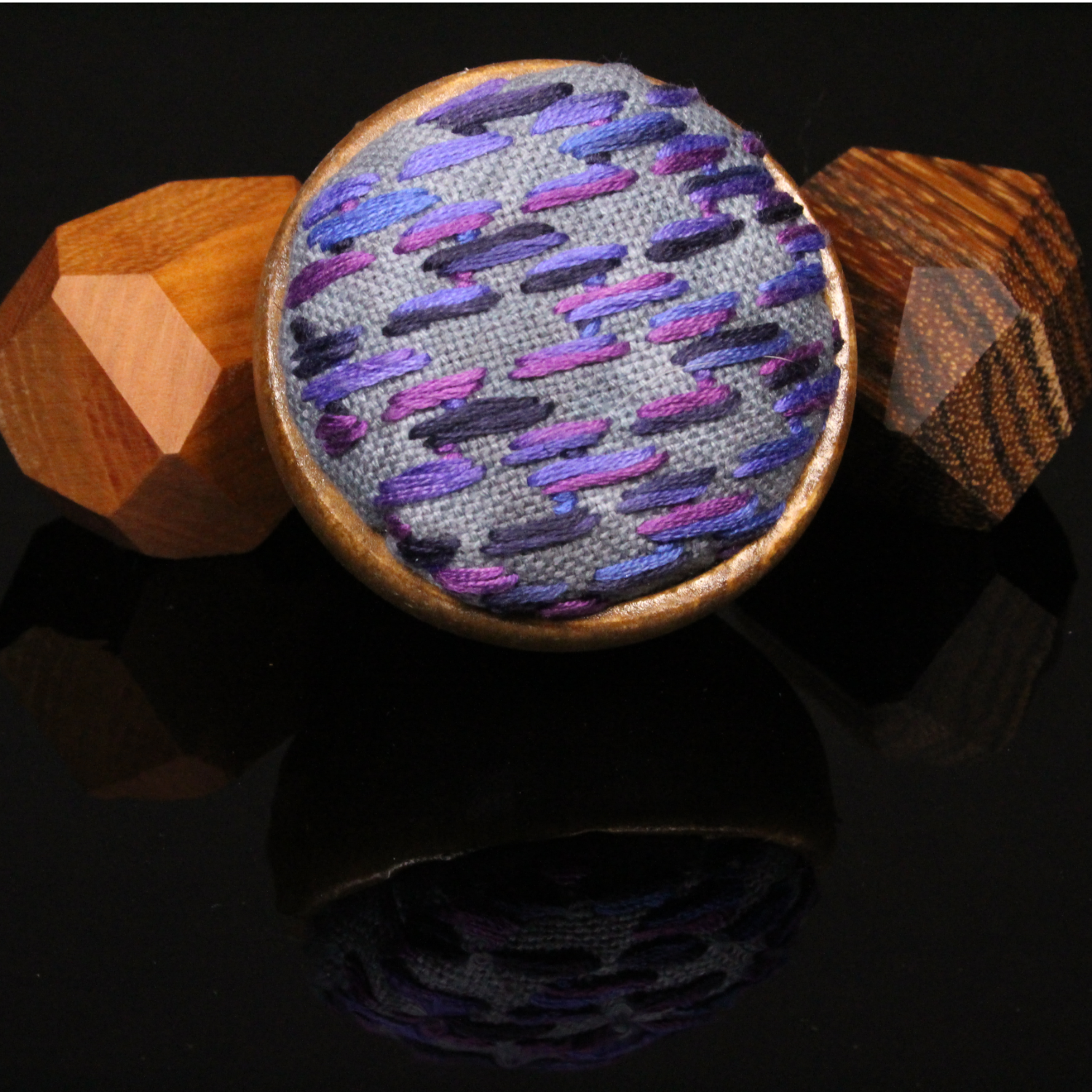
Kogin is a type of Japanese counted embroidery traditionally stitched over linen, both to strengthen the cloth and to add decorative motifs and family symbols. Contemporary kogin is typically stitched on cotton and used to decorate jewelry, accessories, and home goods. Though less popular than its better-known cousin sashiko, kogin is still practiced by many in Japan, and has gained followers abroad, leading to new patterns joining traditional motifs.




織物
Weaving
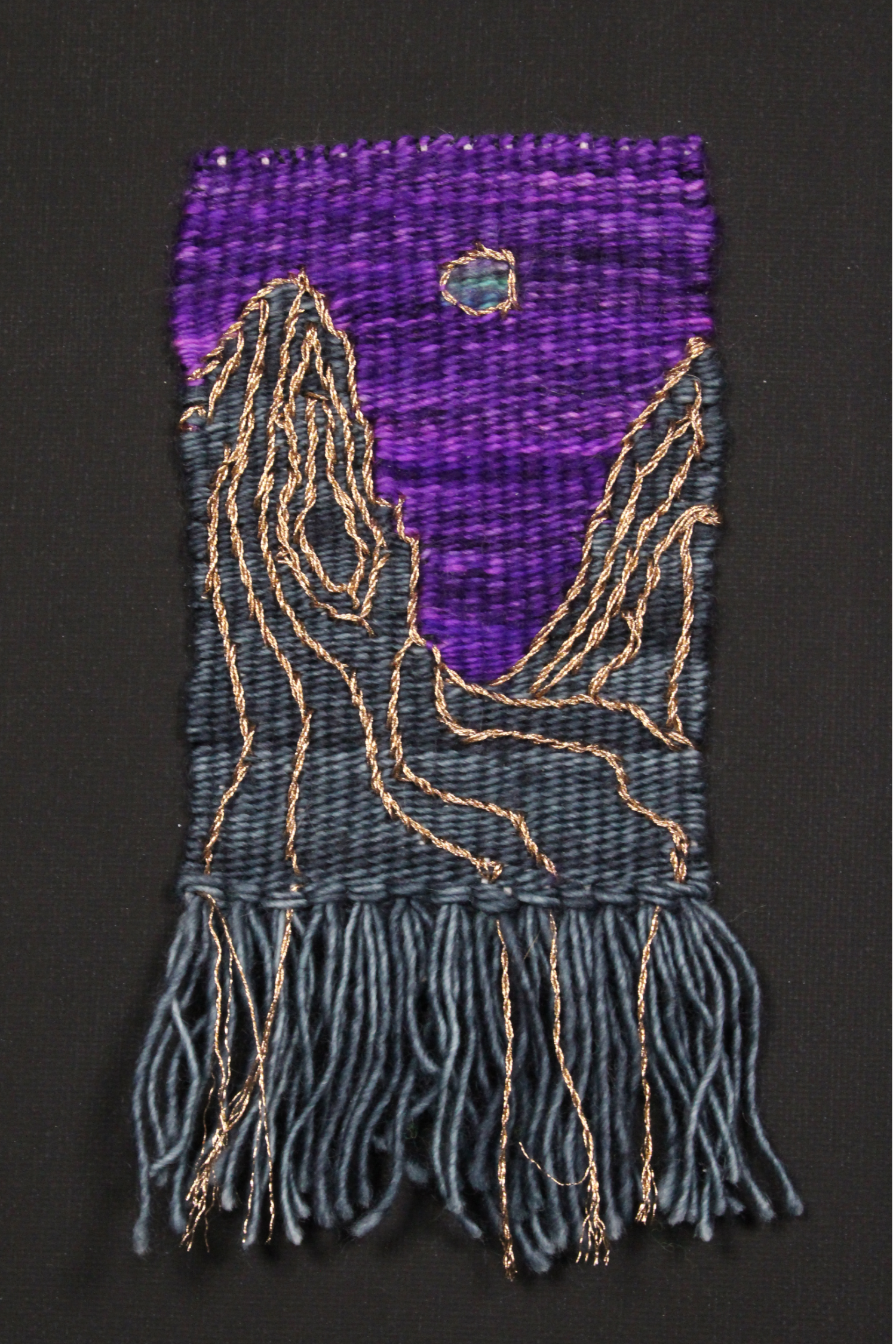
I weave by hand using tapestry, rigid heddle, and multi-shaft table looms. I weave everything from scarves and wraps to fabric for bags and bookcloth, as well as tapestries. Though my tapestries are woven largely in the European tradition, many are embroidered with patterns inspired by mokumegane, a Japanese metalworking technique in which different metals are folded, blended and cut to create patterns reminiscent of the woodgrain for which it is named.